Celebrating the return of tundra swans and other waterfowl to our region — three days of guided tours, presenters, and our biggest fundraiser of the year.
Proudly hosted by Sutter Buttes Land Trust
All festival proceeds directly benefit local land conservation and wildlife habitat protection.
Purpose
Why we hold the festival
Each winter, tundra swans travel thousands of miles down the Pacific Flyway to winter in the rice fields and wetlands around the Sutter Buttes. The festival exists to celebrate that arrival — and to show why the working farmland they depend on is worth protecting.
It is also our largest annual fundraiser. Proceeds go directly to conserving land and habitat in Sutter, Yuba, and Colusa counties.
North Butte at a glance
Dates
Nov 13–15, 2026
Length
3 Days
Hosted by
Sutter Buttes Regional Land Trust
Website
caswanfestival.org
Venue details for the new location to be added.
Tours
Guided tours & field trips
Festival tours take small groups out to see swans, geese, and raptors on private and public land around the Buttes, led by experienced local guides.
Swan viewing tours
Evening and early morning outings to the flooded rice fields where the swans gather.
Sutter Buttes hikes
Guided walks into the Buttes — rare access to a privately owned mountain range.
Working lands tours
Visits to rice farms and conserved ranches to see agriculture and habitat side by side.
Cancellation policy
Tours run rain or shine. Cancellations made more than 14 days before the festival receive a full refund; after that, tickets may be transferred to another guest.
Every year, local photographers submit their best images of the Sutter Buttes and surrounding region. Winning photos become our annual calendar — now a member benefit and, for the first time, a successful fundraiser.
Winners are celebrated at a reception where the new calendar is unveiled and prints are available.
You don’t need to wait for the festival. Here’s what to look for, and where to go, across Sutter, Yuba, and Colusa counties.
Swans
Tundra swans winter here by the thousands, arriving in late autumn after a migration of several thousand miles from the Arctic. They feed in flooded rice fields — an agricultural landscape that has become critical habitat.
Look for them from November through February, most active at dawn and dusk. Listen first: you’ll often hear a flock before you see it.
Sutter Buttes
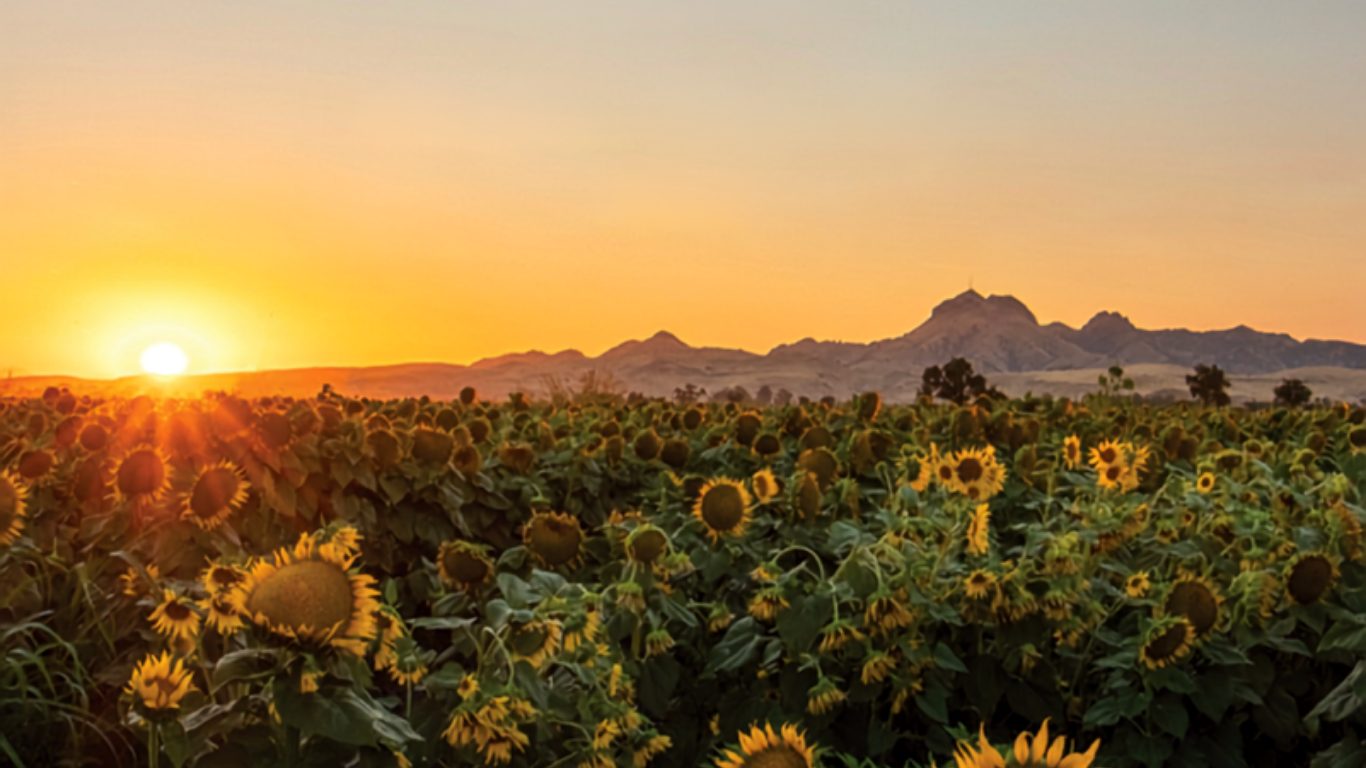
Often called the smallest mountain range in the world — a circular volcanic formation rising abruptly from the flat floor of the Sacramento Valley, visible for fifty miles in every direction.
The Buttes are almost entirely privately owned, so access is by guided hike. We offer them on our North Butte property through Middle Mountain Interpretive Hikes.